News media resources
Welcome to CHOC’s news media resources. Here, members of the media can find contact information for CHOC’s public relations staff, B-roll footage and links to our blogs, including press releases.
CHOC maintains three blogs to keep our audiences informed:
- CHOC Inside – Get an inside look at CHOC by exploring press releases, staff and patient stories, and more.
- CHOC Health – Grow your parenting tool kit with information from CHOC pediatric experts on varying health conditions.
- Provider Connection – Learn about the latest CHOC innovations, research and more.
You can also learn about what’s happening at CHOC via our social media sites: 


Recent News

Cynthia Neiman, CHOC VP and chief marketing & experience officer, is among 54 healthcare experience leaders to make this coveted list.
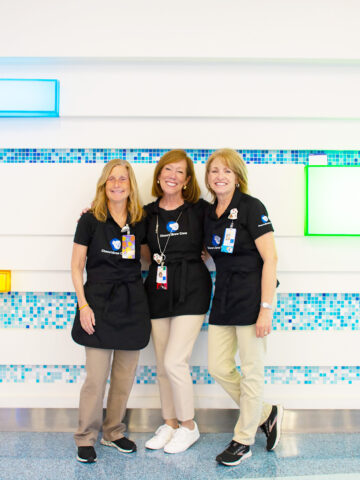
Three CHOC volunteers share their experience serving at a children’s hospital, including one unexpected perk: a fast friendship with one another.

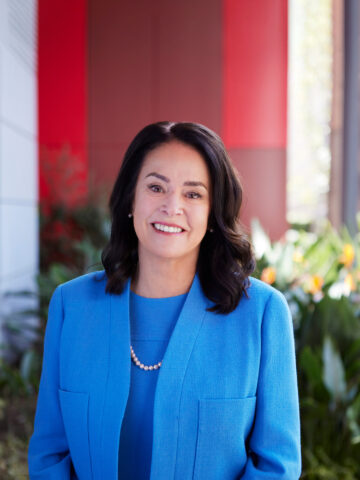
CHOC President and CEO Kimberly Chavalas Cripe was recently honored by LA Times B2B Publishing as one of the “2024 Orange County Inspirational Women.” Nine women were selected as this year’s honorees, among 175 nominations. For more than 30 years, Cripe has passionately advanced CHOC’s mission. She has helped increase access to safe, high-quality care; […]